Success message
Error message

CBT-E is a transdiagnostic treatment for all eating disorders. This modality isn't an "one-size-fits-all" treatment. The therapist usually a specific version of CBT-E to match the exact eating problem of the person receiving treatment.
Lili is an ANZAED approved practitioner to treat eating disorders in outpatient setting. Lili receives regular supervision to ensure safe and ethical practice in the context of treating eating disorders.
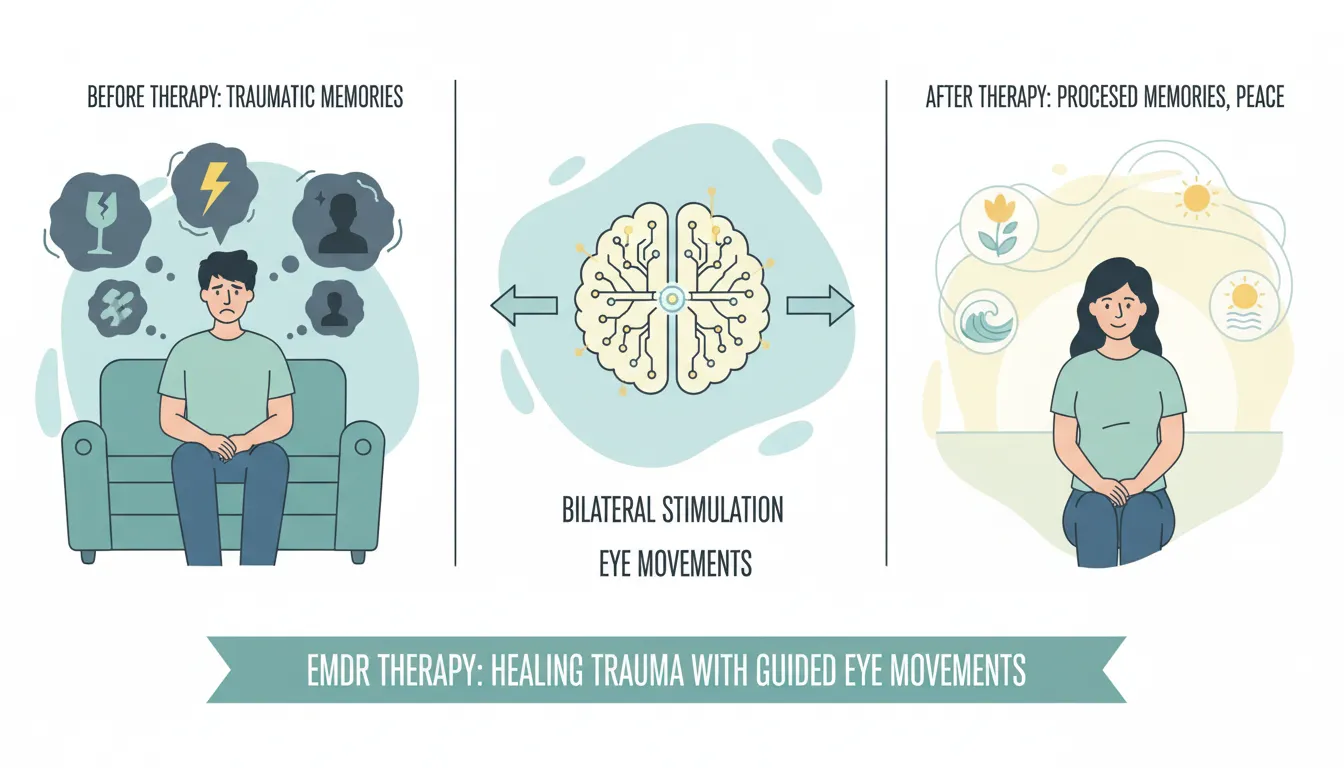
EMDR is a trauma‑focused therapy that helps the brain process distressing memories so they become less overwhelming. It uses bilateral stimulation (e.g. eye movements, tapping, or sounds) while the person recalls aspects of the memory, supporting the nervous system to reprocess the experience in a safer, more adaptive way. Over time, EMDR can reduce the emotional intensity of past events and strengthen a person’s sense of safety and resilience in the present.
Lili is fully trained in EMDR and receives regular supervision in the context of practicing EMDR.
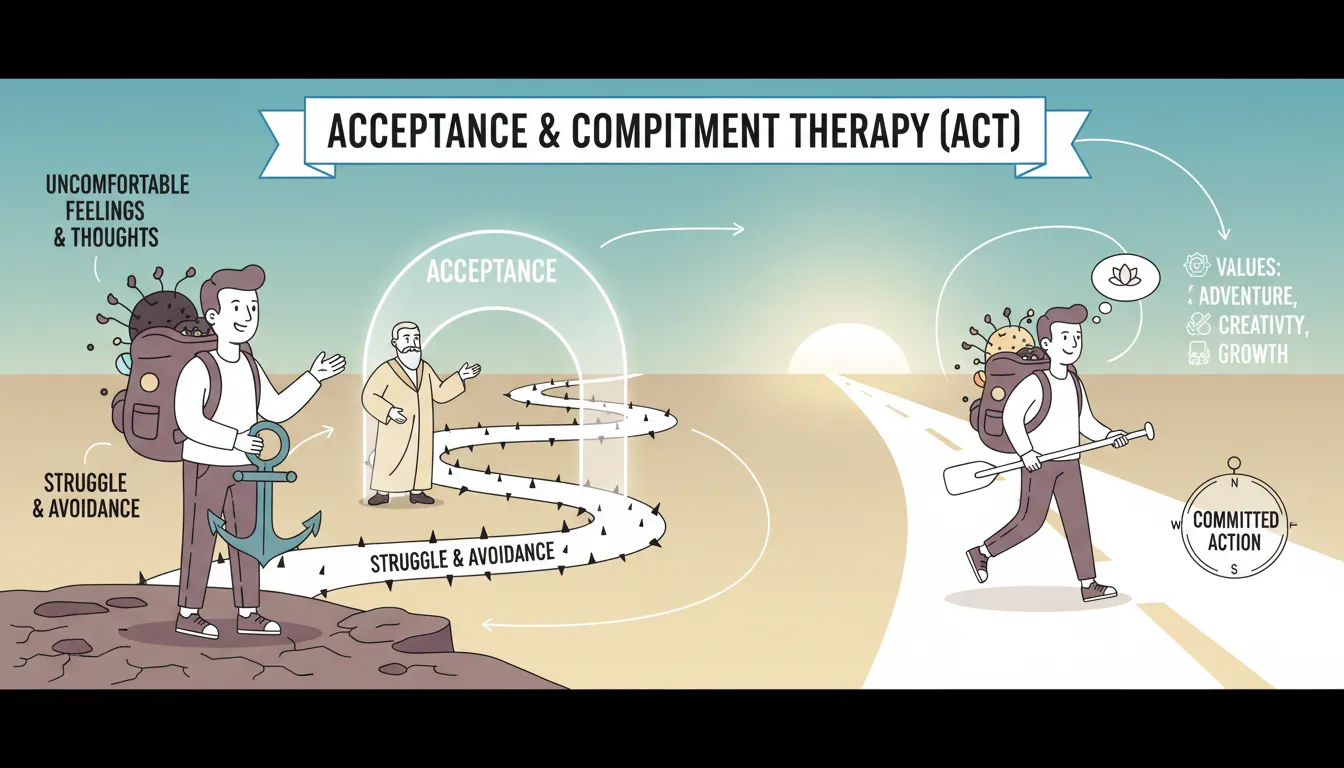
ACT is a value-based approach that helps people build psychological flexibility by learning to notice their thoughts and feelings without getting entangled in them. It supports individuals to clarify their personal values and take small, meaningful actions aligned with those values, even in the presence of discomfort. ACT blends acceptance strategies, grounding, and committed action to strengthen resilience, reduce the impact of unhelpful thinking patterns, and promote a more purposeful, values‑driven life.
Lili also trained in ACT for young people.
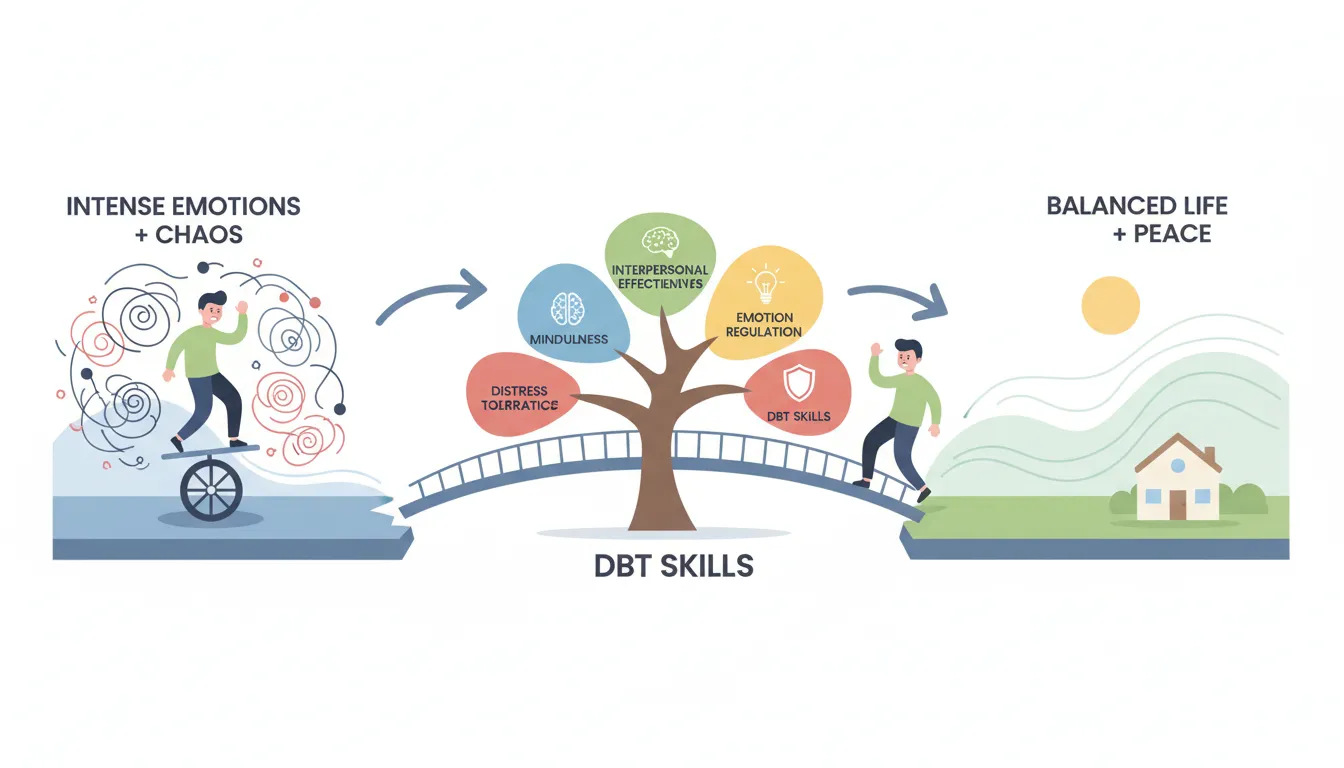
DBT is an skill‑based therapeutic approach designed to help people manage intense emotions, build distress‑tolerance skills, and improve relationships. It blends cognitive‑behavioural strategies with mindfulness principles, supporting clients to understand their emotional patterns, stay grounded in the present moment, and make choices that align with their long‑term goals.
DBT is often used for individuals who experience emotional dysregulation, self‑criticism, or difficulty navigating interpersonal situations, offering practical skills that strengthen resilience and wellbeing.
Schema Therapy is an integrative approach that helps people understand and change long‑standing patterns that developed from unmet emotional needs earlier in life. It combines cognitive, behavioural, and experiential techniques to gently shift these patterns, strengthen healthier ways of coping, and support a more stable, compassionate sense of self.

Grief and Loss Therapy support people as they navigate the emotional, physical, and practical impacts of losing someone or something meaningful. It offers a compassionate space to express feelings, make sense of the changes that follow loss, and gently rebuild a sense of stability.
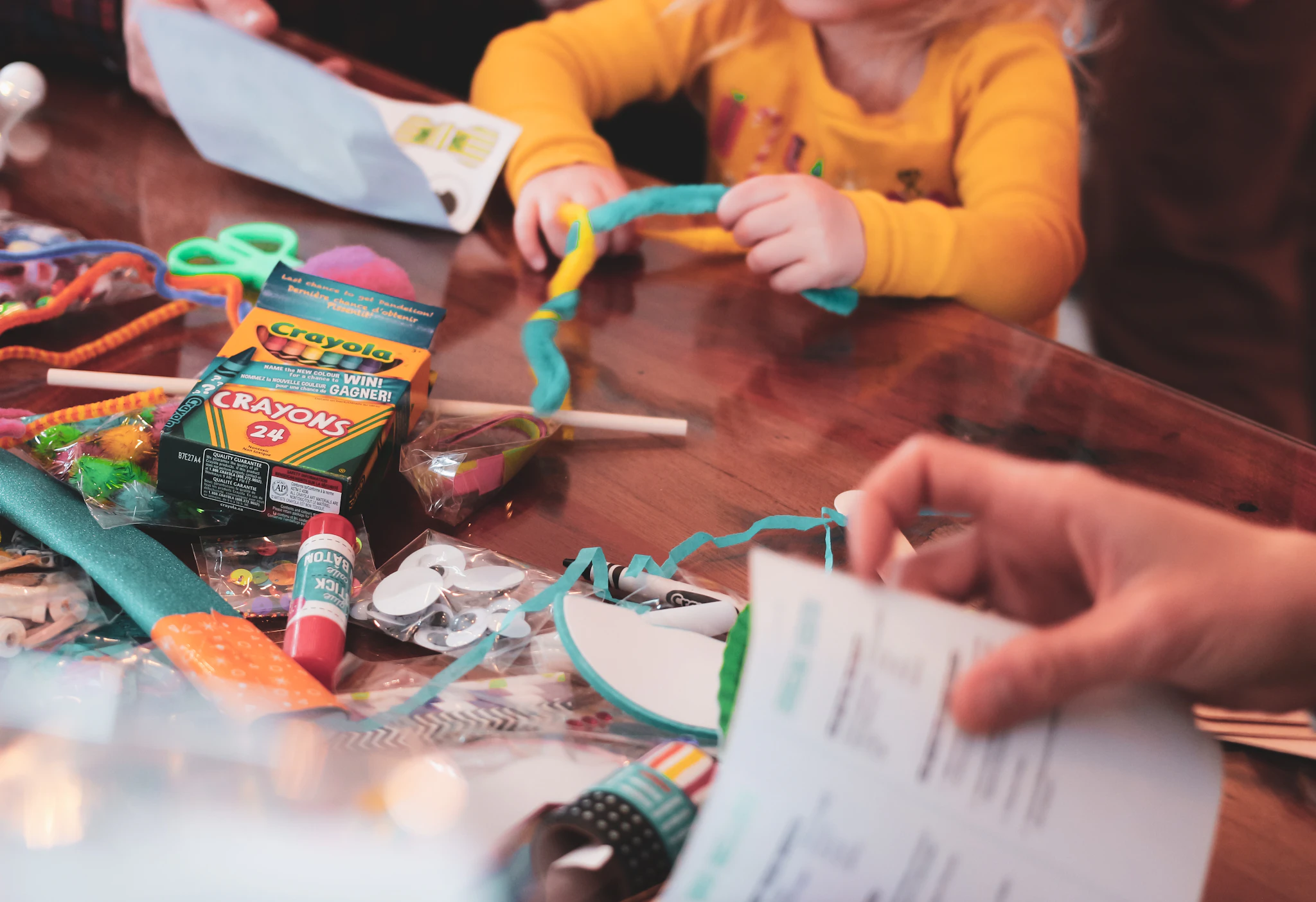
This type of modality uses toys, art, stories, and imaginative activities to help children express feelings, make sense of their experiences, and build emotional and social skills in a way that feels natural and safe for them. It allows them to communicate through play, often their most comfortable language while the therapist gently supports insight, regulation, and growth.